Anúncios
Someone is waiting for you… don’t miss out 😈




<strong>MEET NEW PEOPLE</strong>
In a world where digital communication dominates our daily interactions, the gap between what we expect and what actually happens has never been more apparent. 📱
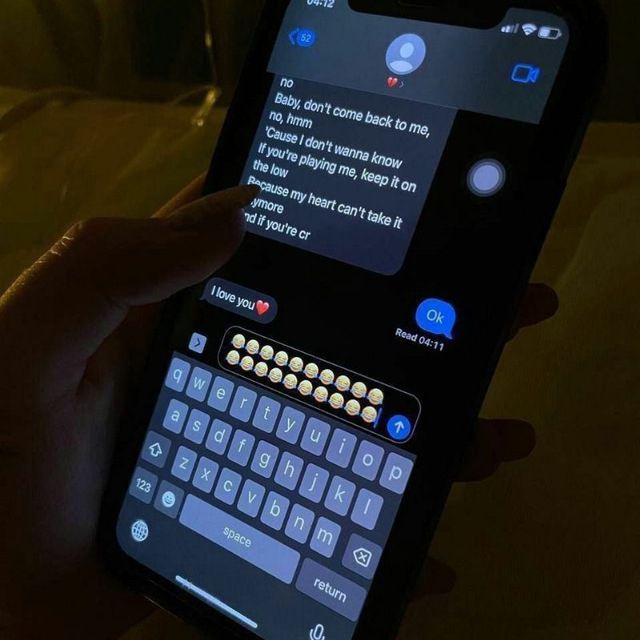
We’ve all been there: waiting anxiously for a response to an important message, wondering if we’ve been left on read, or questioning whether someone truly meant what they typed.
The digital age promised seamless communication, but instead, it often delivers confusion, misinterpretation, and disappointment.
This disconnect between expectation and reality in messaging has become one of the most frustrating aspects of modern relationships, whether personal or professional.
The truth is, text-based communication lacks the nuance of face-to-face conversation. Without vocal tone, facial expressions, or body language, messages can be misunderstood, intentions can be questioned, and relationships can suffer.
What seems like a simple conversation can quickly become a minefield of assumptions and misreadings.
The Great Digital Disconnect: Why Messages Fail Us 💬
When we send a message, we typically expect a relatively quick response. We anticipate that our tone will be understood, our humor will land, and our intentions will be clear. However, the reality is often quite different.
Research shows that up to 50% of text-based communication can be misinterpreted by the receiver.
This staggering statistic reveals a fundamental flaw in how we’ve adapted to digital communication. We’ve transferred the expectations of real-time, in-person conversation to a medium that simply cannot deliver the same level of clarity.
Consider these common scenarios that plague digital communicators:
- Sending what you think is a friendly joke, only to have it received as offensive or sarcastic
- Waiting hours or days for a response, creating anxiety and overthinking
- Receiving a short, seemingly curt reply and wondering if someone is angry with you
- Misunderstanding someone’s intentions due to lack of contextual clues
- Experiencing the frustration of being “left on read” without explanation
These situations create emotional stress and can damage relationships. The expectation of clear communication clashes with the reality of ambiguous text messages, leaving us feeling disconnected despite being more “connected” than ever before.
The Psychology Behind Message Misinterpretation 🧠
Understanding why messaging falls short requires examining the psychological aspects of human communication. When we communicate in person, we process multiple streams of information simultaneously: words, tone, pace, volume, facial expressions, gestures, and contextual environmental cues.
Text messaging strips away approximately 93% of communication cues, leaving only the words themselves. Our brains, however, haven’t evolved to communicate effectively with such limited information. We instinctively try to fill in the missing pieces, often projecting our own emotional state, insecurities, or assumptions onto the message.
This phenomenon, known as “projection bias,” means that if you’re feeling anxious, you’re more likely to interpret neutral messages negatively. If you’re in a good mood, you might overlook potential warning signs in someone’s communication. The reality of the message becomes less about what was sent and more about your mental state when receiving it.
The Timing Trap: When Response Speed Matters
In the age of instant messaging, response time has become a language of its own. We’ve collectively created unwritten rules about how quickly someone should reply, and violations of these expectations can lead to hurt feelings and misunderstandings.
The expectation is that if someone cares about you or values your communication, they’ll respond quickly. The reality? People have busy lives, different communication styles, and varying relationships with their devices. Someone taking hours to respond might simply be focused on work, not that they don’t care about you.
Live Communication: Bridging the Gap Between Expectation and Reality 🎥
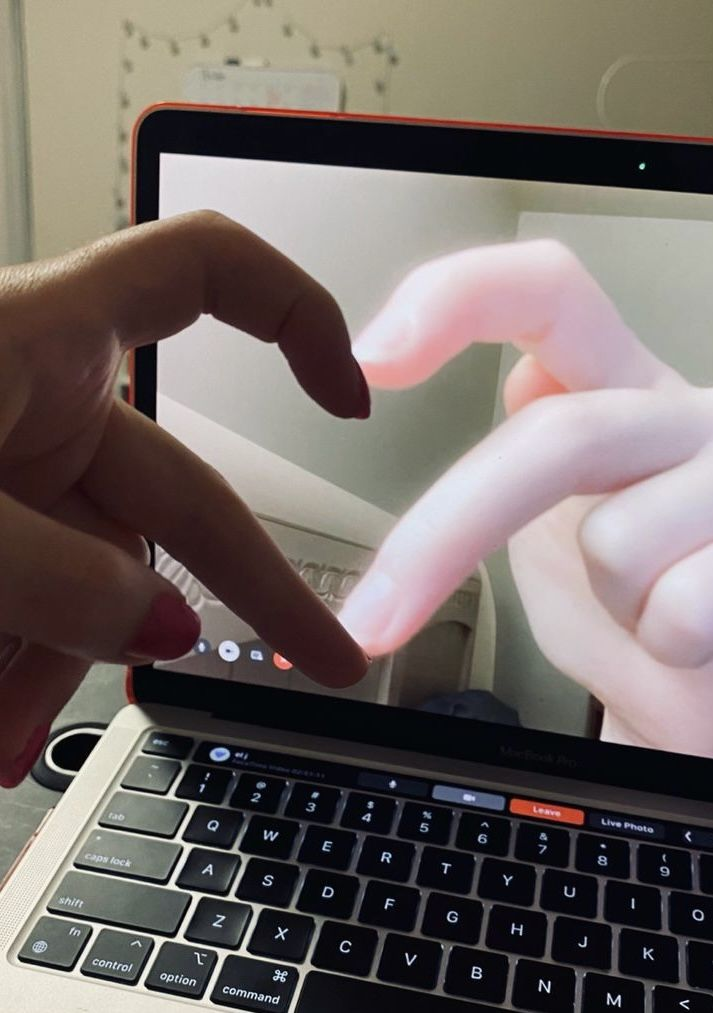
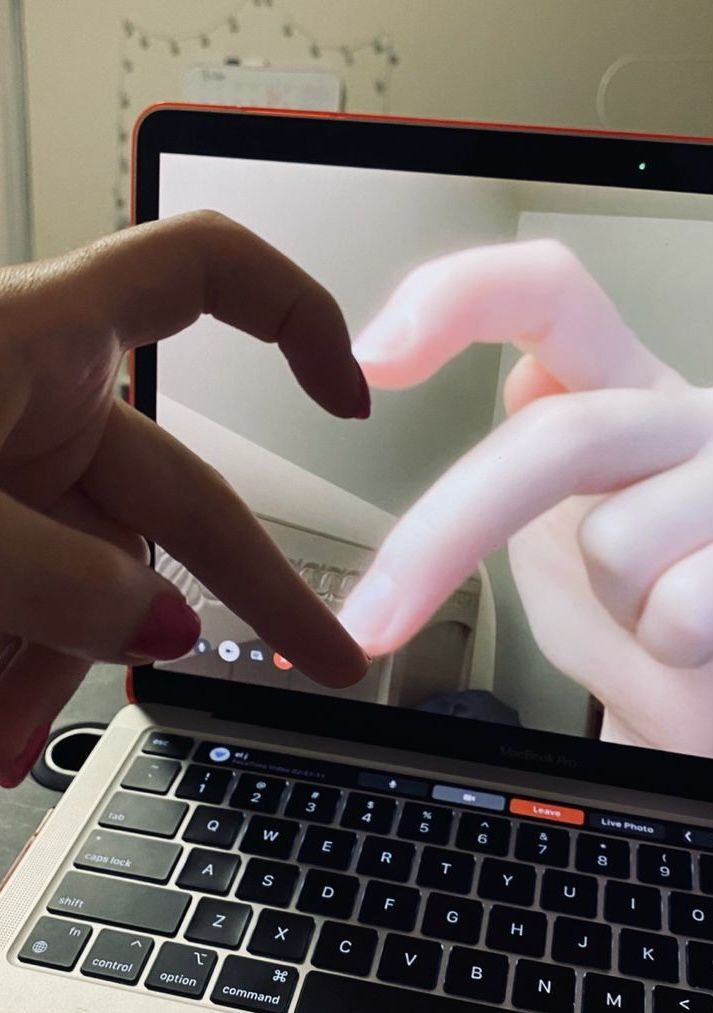
Recognizing these fundamental limitations of text-based communication has led to a resurgence in real-time, live communication methods. Video calls, voice messages, and live streaming have become increasingly popular as people seek to recapture the nuance lost in text.
Live communication offers several distinct advantages over traditional messaging:
- Immediate feedback and clarification opportunities
- Access to vocal tone and inflection that convey emotion and intention
- Visual cues including facial expressions and body language (in video)
- Reduced opportunity for misinterpretation
- Stronger emotional connection and engagement
- Authentic, unedited interaction that builds trust
These benefits explain why platforms emphasizing live interaction have seen explosive growth. People are hungry for authentic connection that matches their expectations rather than disappointing them with the limitations of text.
The Rise of Real-Time Connection Apps 📲
As users become increasingly frustrated with traditional messaging limitations, a new category of applications has emerged focused on facilitating genuine, real-time connections. These platforms prioritize immediate, authentic interaction over asynchronous text exchanges.
Applications designed for live video chat, voice communication, and spontaneous connection are transforming how we think about digital interaction. Rather than sending a message and waiting, these platforms enable users to connect face-to-face (virtually) or voice-to-voice, dramatically reducing misunderstanding while increasing emotional satisfaction.
For those seeking to experience the difference between messaging expectations and live communication reality, numerous applications now offer this capability. These tools allow you to move beyond the limitations of text and experience communication as it was meant to be: dynamic, nuanced, and genuinely connecting.
Features That Transform Digital Communication
Modern live communication platforms incorporate features specifically designed to address the shortcomings of traditional messaging:
- Instant video connection without lengthy setup or scheduling
- Voice-only options for those preferring audio communication
- Spontaneous matching with new people or direct connections with friends
- Real-time translation capabilities breaking language barriers
- Enhanced privacy controls giving users confidence in their interactions
- Interest-based matching to ensure meaningful conversations
These features collectively create an experience that aligns expectations with reality, delivering on the promise of genuine connection that early digital communication pioneers envisioned but text messaging failed to achieve.
Professional Communication: Where Stakes Are Higher ⚡
While personal messaging misunderstandings can be frustrating, professional communication failures can have serious consequences. In business contexts, the expectation versus reality gap can result in lost opportunities, damaged relationships, strained team dynamics, and even legal complications.
Consider the professional who sends what they believe is a straightforward project update via email, only to have team members interpret it as criticism. Or the manager who delivers feedback via chat, thinking they’re being efficient, but comes across as harsh without the softening effect of vocal tone.
Research indicates that 86% of workplace failures are attributed to poor communication or collaboration. Much of this stems from the overreliance on text-based communication in environments where clarity, nuance, and relationship-building are essential.
The Solution: Strategic Live Communication
Progressive organizations are recognizing this gap and implementing more live communication protocols. Video meetings, voice calls, and even virtual “office hours” where live interaction is encouraged help ensure that important communications don’t fall victim to text-based limitations.
The expectation in professional settings should always be clarity and effectiveness. The reality increasingly requires choosing the right communication medium for the message, with live communication reserved for anything nuanced, emotionally charged, or relationship-critical.
Social Dynamics: The FOMO and Validation Cycle 🔄
Beyond simple misunderstanding, messaging has created new social dynamics that further widen the gap between expectation and reality. Social validation through likes, reactions, and response speed has turned communication into a performance rather than an authentic exchange.
We expect our messages to receive engagement, our stories to get views, and our presence to be acknowledged. When reality doesn’t meet these expectations—when messages go unanswered, when engagement is low, or when we’re excluded from group conversations—it creates genuine psychological distress.
Studies show that social media and messaging app usage is directly correlated with increased anxiety, particularly among younger users. The constant comparison between expected and actual engagement creates a cycle of disappointment and overcompensation.
Live communication breaks this cycle by removing the performance aspect. Real-time conversations don’t accumulate likes or views; they simply exist as genuine human interactions. This shift from broadcast to conversation helps realign expectations with the more satisfying reality of authentic connection.
Privacy Concerns: Expected Security vs. Actual Vulnerability 🔒
Another significant gap between expectation and reality in digital messaging involves privacy and security. Most users expect that their private messages remain private, that their data is secure, and that their conversations aren’t being monitored, analyzed, or sold.
The reality is often quite different. Many messaging platforms collect extensive metadata about communications, analyze message content for advertising purposes, and maintain access to supposedly encrypted conversations. High-profile data breaches have repeatedly demonstrated that our expectations of digital privacy often exceed the actual security provided.
Live communication platforms, particularly those focused on privacy-first design, often provide stronger actual security than traditional messaging apps. Ephemeral connections that don’t store conversation histories, end-to-end encryption by default, and minimal data collection practices help align privacy expectations with reality.
Making the Shift: From Text to Live Interaction 🚀
Recognizing the limitations of text-based communication is the first step. The second is actively choosing alternatives when communication matters. This doesn’t mean abandoning messaging entirely—text remains useful for simple coordination, sharing links, or quick updates.
However, for conversations where understanding, connection, and relationship-building matter, live communication should be the default choice. This applies to:
- Difficult or sensitive conversations that could easily be misunderstood
- First-time interactions where establishing rapport is important
- Conflict resolution or addressing misunderstandings
- Important professional discussions requiring clarity
- Meaningful personal conversations with friends or romantic partners
- Situations where you’ve been texting back and forth without resolution
By strategically choosing live communication for these scenarios, you can dramatically reduce the disappointment that comes from expecting connection but receiving confusion.
The Future of Digital Communication: Bridging Worlds 🌉
As technology evolves, the line between expectation and reality in digital communication is beginning to narrow. Artificial intelligence, augmented reality, and improved connectivity are enabling more immersive, nuanced digital interactions that better approximate in-person communication.
However, these technological advances build upon the foundation of live, real-time interaction rather than attempting to perfect asynchronous text-based messaging. The future isn’t about making text better—it’s about making live digital communication so seamless and accessible that it becomes the natural choice for meaningful interaction.
Innovations on the horizon include spatial audio that makes voice conversations more natural, holographic projection for more immersive video calls, and neural interfaces that might eventually transmit emotional states directly. While these may sound like science fiction, they represent the industry’s recognition that the expectation of human connection requires more than text can deliver.
Taking Action: Experience the Difference Today 🎯
Understanding the gap between messaging expectations and reality is intellectually valuable, but the real impact comes from experiencing the difference firsthand. The best way to truly understand how much is lost in text-based communication is to compare it directly with live interaction.
Challenge yourself to replace text with live communication for one week in specific scenarios. When you find yourself typing a long, complex message, pause and initiate a voice or video call instead. When a conversation via text becomes confusing or emotionally charged, shift to real-time interaction.
The difference will be immediately apparent. Conversations that might have required dozens of back-and-forth messages can be resolved in minutes. Misunderstandings that could have festered for days can be clarified instantly. Connections that felt distant through text suddenly become warm and genuine through live interaction.
This isn’t about completely abandoning messaging—it’s about being intentional about when and how you communicate. By aligning your communication medium with your expectations for the interaction, you can dramatically improve both your personal and professional relationships.
Your Communication Revolution Starts Now ✨
The persistent gap between what we expect from digital messaging and what it actually delivers isn’t a personal failing—it’s a fundamental limitation of the medium. Recognizing this truth is liberating because it means the solution isn’t to communicate better via text, but to choose better communication methods when text isn’t sufficient.
Live communication platforms offer a return to the authentic, nuanced interaction that humans have evolved to understand and crave. By embracing these tools for meaningful conversations while reserving text for simple coordination, you create a communication strategy that consistently meets expectations rather than falling short.
The technology exists today to bridge the expectation versus reality gap in digital communication. What’s required is the willingness to break old habits and embrace more effective alternatives. Every conversation is an opportunity to choose understanding over confusion, connection over isolation, and reality over disappointment.
Don’t let another important message be misunderstood. Don’t waste another hour overthinking what someone meant by their text. The solution to the messaging problem isn’t better texting—it’s moving beyond text to the rich, real-time communication that actually delivers on the promise of digital connection. Experience the difference for yourself and discover what communication can be when expectations finally match reality.
