
Anúncios
5G technology is revolutionizing mobile connectivity, offering blazing-fast speeds and ultra-low latency. Unlocking this potential on your device requires proper configuration and understanding.
Understanding 5G Network Capabilities

Learn More About 5G
The fifth generation of wireless technology represents a quantum leap forward in mobile communications. Unlike previous generations, 5G doesn’t just offer incremental improvements—it fundamentally transforms how devices connect, communicate, and process data in real-time.
Many smartphone users remain unaware that their devices might not be fully optimized for 5G networks. Even with a 5G-capable phone and an active 5G plan, certain settings can prevent you from experiencing the network’s full potential. This comprehensive guide will walk you through everything you need to activate and maximize 5G connectivity on your mobile device.
🔍 What Makes 5G Different From 4G LTE
Before diving into activation procedures, understanding what sets 5G apart helps appreciate why proper configuration matters. The technology operates on three distinct spectrum bands, each offering unique advantages depending on your location and carrier infrastructure.
Low-band 5G provides extensive coverage similar to 4G but with moderately improved speeds. Mid-band 5G delivers the sweet spot between coverage and performance, offering significantly faster speeds across urban and suburban areas. High-band 5G, also called mmWave, provides extraordinary speeds exceeding 1 Gbps but with limited range and building penetration.
Download speeds on 5G networks can reach 10 to 100 times faster than 4G LTE under optimal conditions. This translates to downloading full HD movies in seconds rather than minutes, seamless 4K video streaming without buffering, and virtually instantaneous cloud uploads for high-resolution photos and videos.
Latency—the time it takes for data to travel between your device and the network—drops dramatically with 5G. While 4G typically experiences 30-50 milliseconds of latency, 5G can achieve under 10 milliseconds. This reduction proves critical for real-time applications like cloud gaming, video calls, and augmented reality experiences.
📱 Checking If Your Phone Supports 5G
Not all smartphones can access 5G networks, even if your carrier offers coverage in your area. Device compatibility represents the first checkpoint in your 5G journey. Most flagship phones released after 2020 include 5G capabilities, but mid-range and budget devices vary considerably.
To verify 5G support on your device, navigate to your phone’s settings menu. On iPhone models, go to Settings > Cellular > Cellular Data Options. If you see a “Voice & Data” menu with 5G options, your device supports the technology. For Android devices, the path varies by manufacturer but typically follows Settings > Connections > Mobile Networks, where supported network types are listed.
Specific iPhone models with 5G include the iPhone 12 series and all subsequent releases. Samsung Galaxy devices starting from the S20 series generally support 5G, though regional variations exist. Google Pixel phones from the Pixel 5 onward incorporate 5G connectivity, as do recent OnePlus, Xiaomi, and Motorola flagship and mid-range offerings.
Hardware compatibility extends beyond just having a 5G modem. Your device must support the specific frequency bands your carrier uses for 5G service. Carriers in different countries and regions deploy 5G on various spectrum allocations, so a phone purchased internationally might not access all 5G bands available in your current location. ✨
🌐 Confirming 5G Coverage and Carrier Support
Device capability means nothing without network availability. Major carriers worldwide have expanded 5G infrastructure rapidly, but coverage remains inconsistent across different regions and even within cities.
Visit your carrier’s official coverage map to check 5G availability at your home, workplace, and frequently visited locations. Most carriers provide interactive maps showing 5G coverage layers, often distinguishing between different 5G types (low-band, mid-band, and mmWave).
In the United States, carriers like Verizon, AT&T, and T-Mobile each deploy 5G differently. T-Mobile offers the most extensive 5G coverage through low and mid-band spectrum, while Verizon initially focused on mmWave deployment in dense urban areas. AT&T has pursued a balanced approach across spectrum types.
Your current plan must also include 5G access. Some carriers require customers to upgrade to specific unlimited plans or pay additional fees for 5G connectivity. Review your account details through your carrier’s app or website, or contact customer service to confirm your plan includes 5G access without restrictions.
⚙️ Activating 5G on iPhone Devices
Apple provides straightforward 5G configuration options on compatible iPhones, allowing users to balance speed and battery consumption based on personal preferences. The process takes just seconds once you know where to look.
Open the Settings app and tap Cellular, then select Cellular Data Options. You’ll see Voice & Data with three potential options: 5G On, 5G Auto, and LTE. Choosing “5G On” forces your iPhone to use 5G whenever available, maximizing speed but potentially consuming more battery power.
The “5G Auto” setting represents Apple’s intelligent middle ground. Your iPhone uses 5G when it provides meaningful speed advantages without significantly impacting battery life, automatically switching to LTE when 5G offers minimal benefits. This option works well for most users seeking performance without constant battery monitoring.
Below these options, you might see “Data Mode” settings offering additional control. Standard mode balances data usage and performance, while “Allow More Data on 5G” enables higher-quality FaceTime calls, HD content streaming, and automatic updates over cellular. Low Data Mode restricts background activity to conserve data, useful if you have limited monthly allowances despite 5G speeds.
After making your selection, the status bar at the top of your screen should display “5G” or “5G UW” (Ultra Wideband for mmWave) when connected. If it continues showing “LTE” or “4G” despite being in a coverage area, try toggling Airplane Mode on and off to force a network refresh. 📶
🤖 Enabling 5G on Android Smartphones
Android’s customization means 5G activation paths vary across manufacturers, though the fundamental process remains similar. Most Android devices running version 10 or later with 5G hardware include accessible network settings.
For Samsung Galaxy devices, open Settings and navigate to Connections > Mobile Networks > Network Mode. Select the option including 5G, typically labeled “5G/LTE/3G/2G (auto connect)” or similar. Samsung’s One UI interface makes this process intuitive with clear labeling.
Google Pixel phones follow a slightly different path. Go to Settings > Network & Internet > SIMs, select your active SIM card, then tap Preferred Network Type. Choose “5G” or “5G (recommended)” to activate. Pixel devices may also offer adaptive connectivity settings that intelligently manage network selection.
OnePlus, Xiaomi, and Oppo devices typically place these settings under Settings > SIM Cards & Mobile Networks or Settings > Mobile Network. Look for network type preferences or preferred network mode options, then select the highest available setting including 5G connectivity.
Some Android manufacturers include additional 5G-specific features. Samsung’s “Enhanced 5G Services” toggle in network settings enables faster mmWave connections when available. After activation, your status bar should display a 5G icon, though some carriers use “5G+” or “5G UW” to indicate premium connectivity tiers.
🔋 Managing Battery Life With 5G Active
5G connectivity, particularly when constantly searching for or maintaining high-band connections, can noticeably impact battery longevity. Understanding this relationship helps you optimize settings for your usage patterns.
5G modems consume more power than 4G equivalents, especially when devices frequently switch between network types or maintain connections to multiple bands simultaneously. In areas with spotty 5G coverage, your phone works harder scanning for signals, accelerating battery drain.
Consider using selective 5G activation based on your activities. Enable 5G when downloading large files, streaming high-resolution content, or conducting video conferences, then switch to LTE for basic browsing, messaging, and social media. This approach preserves battery while maintaining speed when it matters most.
Location-based automation can help manage this balance. Some Android devices and third-party apps allow network mode switching based on GPS location. Configure your phone to enable 5G at home and work where you frequently need bandwidth, while defaulting to LTE during commutes or in areas with weak 5G signals.
Battery saver modes often automatically disable 5G or limit its usage. Check your device’s power management settings to ensure they align with your preferences. Some phones allow customizing battery saver behavior, letting you maintain 5G access even when conserving power elsewhere.
🛠️ Troubleshooting Common 5G Connection Issues
Even with proper activation, you might encounter situations where 5G connectivity proves elusive or unreliable. Several factors can interfere with successful 5G connections beyond basic settings.
If your phone shows 5G in the status bar but speeds seem no better than 4G, you might be connected to low-band 5G in a congested area. Network congestion affects all wireless technologies, and initial 5G deployments in some regions haven’t significantly increased capacity over existing 4G infrastructure.
Physical obstructions impact 5G more severely than previous generations, particularly for mmWave frequencies. Buildings, trees, and even weather conditions can block high-band signals. If you notice 5G working outdoors but not indoors, this frequency limitation is likely responsible. Mid-band and low-band 5G penetrate buildings more effectively.
SIM card compatibility sometimes prevents 5G access even when all other conditions align. Older SIM cards might lack proper provisioning for 5G networks. Contact your carrier to request a 5G-compatible SIM or, if your device supports it, switch to eSIM which typically includes latest network configurations.
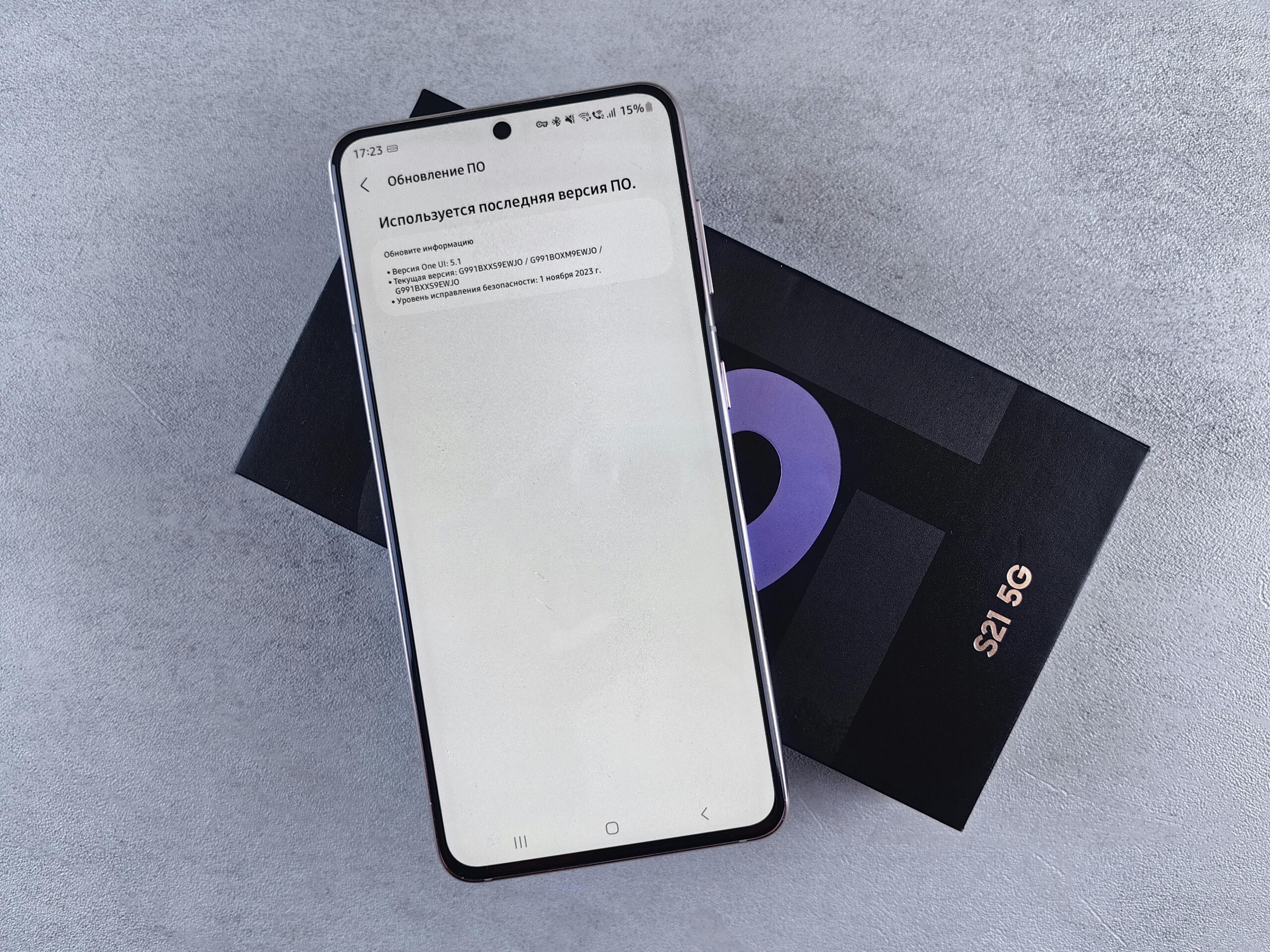
Software updates frequently address 5G connectivity bugs and compatibility issues. Ensure your phone runs the latest available operating system and carrier settings updates. On iPhone, these carrier updates prompt automatically, while Android devices might require manual checks through system settings. 🔧
📊 Comparing 5G Performance Across Carriers
Not all 5G experiences equal others. Carrier infrastructure, spectrum holdings, and deployment strategies create significant performance variations even within the same city.
| Carrier Aspect | What to Consider | Impact on Experience |
|---|---|---|
| Spectrum Type | Low, mid, or high-band deployment | Determines speed vs. coverage balance |
| Coverage Area | Urban, suburban, rural availability | Affects consistent 5G accessibility |
| Network Capacity | Bandwidth allocation and infrastructure density | Influences performance during peak usage |
| Plan Restrictions | Speed caps, prioritization tiers | May limit actual speeds achieved |
Independent testing organizations regularly publish carrier performance reports showing real-world 5G speeds across different locations. These reports reveal that advertised peak speeds rarely represent typical user experiences. Median speeds provide better indicators of everyday performance.
Some carriers implement network management policies that throttle certain activities or deprioritize traffic after monthly data thresholds. Read the fine print of your 5G plan to understand any limitations that might affect your experience despite technical 5G capability.
🌟 Maximizing Your 5G Experience
With 5G successfully activated, optimizing how you leverage this connectivity enhances the value you receive from the technology. Several adjustments and awareness points ensure you’re truly benefiting from faster speeds.
Adjust streaming quality settings in apps like Netflix, YouTube, and Spotify to take advantage of increased bandwidth. Many apps default to conservative quality settings designed for slower connections. Manually selecting higher resolution options for video or lossless audio for music services delivers noticeably improved experiences on 5G.
Cloud storage services can sync more aggressively with 5G connectivity. Update backup settings in Google Photos, iCloud Photos, Dropbox, and similar services to allow full-resolution uploads over cellular data. What previously required WiFi connections now completes seamlessly on 5G networks.
Gaming applications benefit tremendously from 5G’s reduced latency. Cloud gaming services like Xbox Cloud Gaming, GeForce NOW, and PlayStation Remote Play perform significantly better on 5G compared to 4G. Competitive multiplayer games also gain advantages from lower ping times.
Video calling quality improves substantially on 5G networks. FaceTime, Zoom, Google Meet, and Microsoft Teams can maintain higher resolutions with better stability. Adjust these apps’ settings to prefer quality over data conservation when using 5G connectivity.
🔐 Security Considerations for 5G Networks
While 5G offers improved security features over 4G at the protocol level, users must still practice good security hygiene. Faster speeds don’t automatically mean safer connections.
Public 5G networks, like their 4G predecessors, can potentially be monitored or intercepted. Use VPN services when transmitting sensitive information over any cellular connection. The increased bandwidth of 5G means VPN overhead has less noticeable impact on performance.
Be aware that 5G’s improved capacity and speed might make you more inclined to conduct activities you’d normally reserve for trusted WiFi networks. Banking, shopping, and accessing confidential work information carry the same risks on cellular networks regardless of generation.
Some security experts have raised concerns about 5G’s reliance on software-defined networking and increased attack surfaces. While carriers implement robust security measures, maintaining updated device software ensures you benefit from the latest security patches addressing any discovered vulnerabilities.
🚀 Future 5G Developments to Anticipate
Current 5G networks represent only the beginning of this technology’s potential. Ongoing developments promise even more impressive capabilities as infrastructure matures and standards evolve.
Standalone 5G (SA) networks operate independently of 4G infrastructure, unlike current non-standalone (NSA) deployments that rely on 4G core networks. As carriers transition to SA architecture, users will experience lower latency, improved reliability, and access to advanced features like network slicing.
Network slicing allows carriers to create virtual networks optimized for specific use cases. Future 5G connections might dynamically allocate resources differently for gaming versus video streaming versus IoT devices, ensuring optimal performance for each activity type.
Carrier aggregation advances will combine multiple 5G frequency bands simultaneously, potentially delivering multi-gigabit speeds to mobile devices. This technology already exists in limited form but will expand significantly as networks mature and device capabilities advance.
Extended range and indoor penetration improvements continue through ongoing infrastructure investment. Small cell deployments, advanced antenna systems, and better integration with WiFi networks will create more consistent 5G experiences across diverse environments. 🎯
💡 Making the Smart Choice About 5G Activation
Deciding when and how to use 5G connectivity ultimately depends on your individual circumstances, usage patterns, and priorities. Not every situation demands the highest possible speeds.
For users in areas with robust mid-band or mmWave coverage who regularly stream content, download large files, or conduct video calls, keeping 5G permanently enabled makes sense. The performance benefits outweigh modest battery impacts, especially on newer devices with efficient 5G modems.
Those in regions with primarily low-band 5G might find the speed improvements minimal compared to mature 4G LTE networks. In these situations, enabling 5G occasionally for specific tasks while defaulting to LTE provides battery advantages without sacrificing much performance.
Professional users relying on mobile connectivity for work should evaluate 5G based on specific application requirements. Video producers uploading footage, remote workers conducting frequent video conferences, and field technicians accessing cloud resources all benefit substantially from 5G’s capabilities.
Ultimately, the flexibility to enable or disable 5G based on your needs represents the ideal approach. Understanding how to activate the technology, recognizing when it provides genuine advantages, and knowing how to optimize your device’s settings empowers you to make informed connectivity decisions that enhance your mobile experience without unnecessary compromises. The 5G revolution is here—now you’re equipped to harness its full potential! 🌐
