
Anúncios
Unlock the full potential of your smartphone by enabling 5G connectivity for free and experience blazing-fast internet speeds like never before.
Activate 5G on Your Device Today
Learn More About 5G
The arrival of 5G technology has revolutionized how we connect to the internet, offering speeds up to 100 times faster than 4G. Many smartphone users don’t realize their devices are already 5G-capable but haven’t activated this feature yet. The good news? You don’t need to pay extra fees or purchase expensive plans to unlock this capability.
Whether you’re streaming high-definition videos, gaming online, or simply browsing social media, 5G connectivity can dramatically improve your mobile experience. This comprehensive guide will walk you through the process of enabling 5G on your device completely free, ensuring you get the fastest possible internet speeds available in your area.
🚀 Understanding 5G Technology and Its Benefits
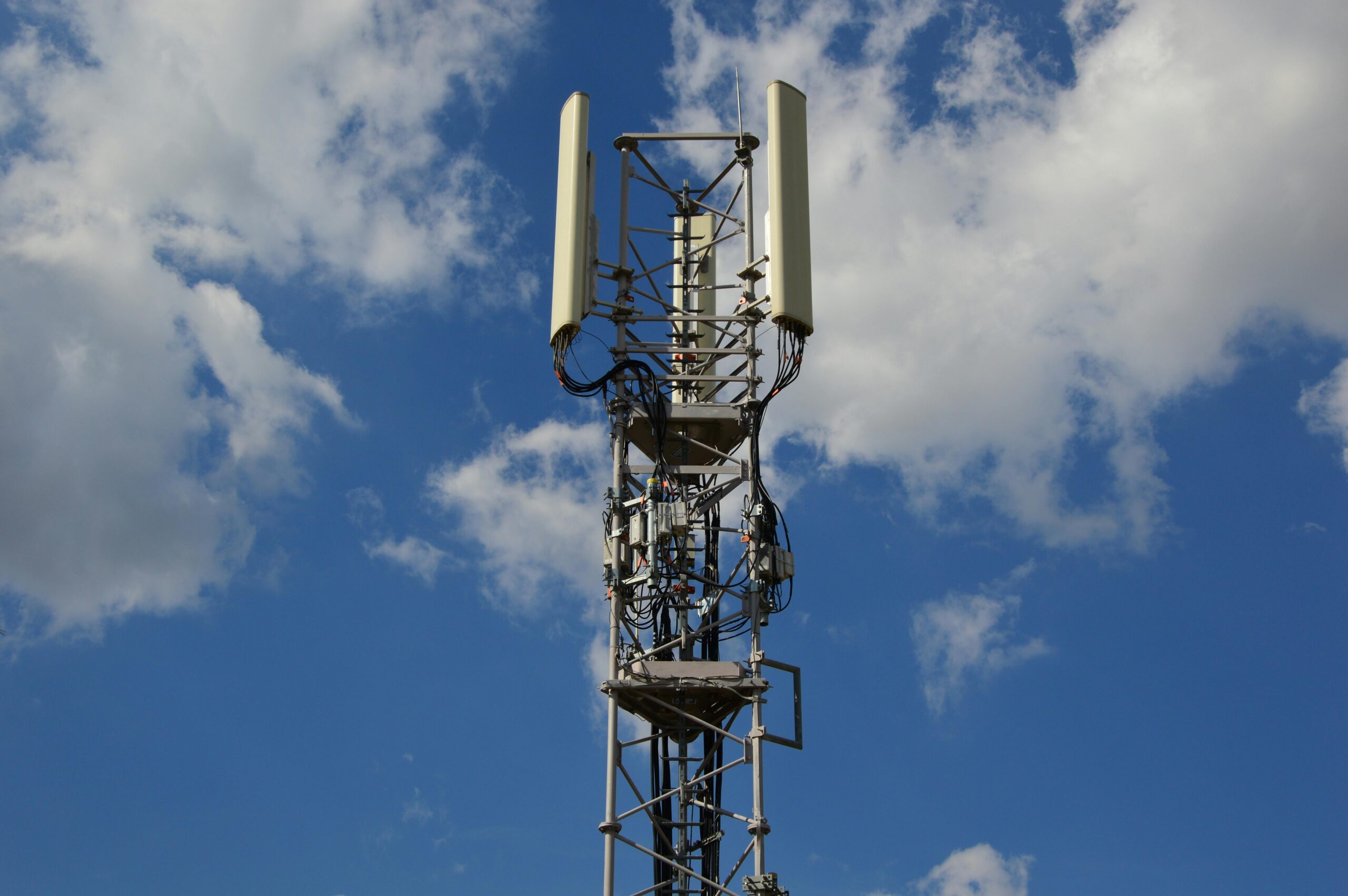
Fifth-generation wireless technology represents a quantum leap in mobile connectivity. Unlike its predecessors, 5G operates on higher frequency bands, allowing for significantly faster data transmission rates. The technology utilizes advanced antenna systems and network infrastructure to deliver ultra-low latency and increased bandwidth capacity.
The practical benefits extend far beyond simple download speeds. With 5G, you’ll experience near-instantaneous response times when loading websites, smoother video conferencing with minimal buffering, and the ability to download large files in seconds rather than minutes. The technology also supports more simultaneous connections, making it ideal for crowded areas where network congestion typically slows down your connection.
Many carriers have already deployed extensive 5G networks across urban and suburban areas. Even mid-range smartphones manufactured in the past two years often include 5G-compatible hardware. The key is knowing how to activate this feature and optimize your device settings to take full advantage of the available network infrastructure.
📱 Checking if Your Device Supports 5G Connectivity
Before attempting to enable 5G, you need to verify that your smartphone has the necessary hardware. Most devices released after 2020 include 5G modems, but the specific bands supported may vary by manufacturer and model. Different regions also utilize different 5G frequency bands, so compatibility can depend on your geographic location.
To check your device compatibility on Android, navigate to Settings, then select “About Phone” or “About Device.” Look for specifications mentioning 5G, NR (New Radio), or specific band support like n77, n78, or n260. iPhone users running iOS 14 or later with iPhone 12 models and newer automatically have 5G capability built-in.
You can also verify compatibility by checking your device’s original packaging or visiting the manufacturer’s official website. Enter your exact model number to access detailed technical specifications. Remember that some budget or regional variants of popular phone models may lack 5G support despite sharing similar names with premium versions.
Carrier Network Coverage Requirements
Having a 5G-capable device is only half the equation. Your mobile carrier must offer 5G service in your area for the feature to work. Major carriers have coverage maps available on their websites showing exactly where 5G networks are currently active. These maps typically distinguish between different types of 5G coverage, including low-band, mid-band, and high-band (mmWave) networks.
Low-band 5G offers the widest coverage but speeds closer to advanced 4G. Mid-band provides an excellent balance of speed and coverage, while mmWave delivers the fastest speeds but with limited range and building penetration. Understanding which type of 5G is available in your location helps set realistic expectations for performance improvements.
⚙️ Step-by-Step Guide to Enable 5G on Android Devices
Activating 5G on Android smartphones is straightforward once you know where to look. The exact menu structure may vary slightly depending on your device manufacturer and Android version, but the general process remains consistent across most modern devices.
Start by opening your Settings app and locating the “Connections” or “Network & Internet” section. Tap on “Mobile Networks” or “Cellular Networks” to access advanced connectivity options. Here you should find a setting labeled “Network Mode,” “Preferred Network Type,” or “Mobile Data.”
Within this menu, you’ll see various options like “5G/4G/3G/2G (auto connect),” “5G On,” or “5G/LTE/3G/2G.” Select the option that includes 5G to enable the feature. Some devices offer additional choices like “5G Auto” which intelligently switches between 5G and 4G to conserve battery, or “5G On” which prioritizes 5G connectivity whenever available.
Samsung Galaxy Devices Specific Instructions
Samsung Galaxy users follow a similar path but with Samsung’s One UI interface. Open Settings, tap “Connections,” then select “Mobile Networks.” Look for the “Network Mode” option and choose either “5G/LTE/3G/2G (auto connect)” or your preferred 5G setting. Samsung devices running One UI 3.0 or later may also include a “5G settings” submenu with additional configuration options.
Some Samsung models feature a Quick Settings toggle for 5G. Swipe down from the top of your screen to access Quick Settings, tap the three-dot menu icon, and select “Button Order.” If available, you can add a dedicated 5G toggle to your Quick Settings panel for easy on-off switching.
Google Pixel and Other Stock Android Devices
For Pixel phones and devices running stock Android, navigate to Settings, tap “Network & Internet,” then “Mobile Network.” Select your SIM card if you have multiple, then tap “Preferred Network Type.” Choose the option that includes 5G connectivity. Google’s implementation is typically straightforward with minimal bloatware or unnecessary options.
🍎 Enabling 5G on iPhone Models
Apple introduced 5G support with the iPhone 12 series and has included it in all subsequent models. Enabling 5G on iOS devices offers three distinct modes designed to balance performance with battery life, giving users flexibility based on their priorities and usage patterns.
To access 5G settings on your iPhone, open the Settings app and tap “Cellular” or “Mobile Data.” Select “Cellular Data Options” or “Mobile Data Options,” then tap “Voice & Data.” You’ll see three options: “5G Auto,” “5G On,” and “LTE.”
Selecting “5G Auto” allows your iPhone to intelligently switch between 5G and LTE based on your activity. This mode prioritizes battery life by using LTE when 5G doesn’t provide significant performance benefits. “5G On” forces your device to use 5G whenever available, maximizing speed but potentially consuming more battery. Choose “LTE” if you want to temporarily disable 5G connectivity.
Advanced 5G Options for iPhone
iPhone users can further customize their 5G experience through additional settings. In the same “Cellular Data Options” menu, you’ll find toggles for “Data Mode.” This section includes options like “Allow More Data on 5G,” which enables higher-quality video streaming and FaceTime calls when connected to 5G networks.
iOS also includes a “Smart Data Mode” that helps conserve data usage and battery life by automatically adjusting your connection quality based on your current activity. When enabled, this feature reduces streaming quality and postpones automatic updates when you’re not using your device actively, then switches to full performance when needed.
🔋 Optimizing Battery Life While Using 5G
One common concern about 5G connectivity is increased battery consumption. While early 5G implementations did drain batteries faster, modern devices and network improvements have significantly reduced this issue. However, you can take several steps to maximize battery life while enjoying faster speeds.
The most effective strategy is using your device’s automatic 5G mode when available. Both Android and iOS offer intelligent switching features that activate 5G only when performance benefits justify the additional power consumption. For typical browsing and social media usage, 4G LTE often provides sufficient speed with better battery efficiency.
Consider disabling 5G when you’re in areas with weak coverage. Your phone consumes more power searching for and maintaining connections to distant cell towers. If you notice your signal strength indicator showing only one or two bars, switching to LTE may actually improve both battery life and connection stability.
Additional Battery-Saving Tips for 5G Users
Enable your device’s battery saver or low power mode during extended periods away from chargers. These modes automatically limit background activity and reduce performance slightly to extend battery life. Most modern smartphones allow you to customize which features remain active in battery saver mode, so you can maintain 5G connectivity while restricting other power-hungry functions.
Reduce screen brightness and disable unnecessary background app refresh for applications you don’t use frequently. These adjustments provide more battery savings than simply turning off 5G, allowing you to enjoy faster speeds without constantly worrying about your battery percentage.
🌐 Troubleshooting Common 5G Connection Issues
Sometimes after enabling 5G, you might not immediately see the expected performance improvements or your device may not connect to 5G networks at all. Several factors can cause these issues, and most have simple solutions you can implement without technical expertise.
First, verify that you’re in an area with actual 5G coverage by checking your carrier’s coverage map. Your phone may display a 5G icon even when connected to a transitional technology like 5G E (Evolution), which is essentially enhanced 4G rather than true 5G. Genuine 5G connections typically show as “5G,” “5G+,” “5G UC,” or “5G UW” depending on your carrier.
If you’re definitely in a 5G coverage area but not connecting, try toggling airplane mode on and off. This forces your device to disconnect and reconnect to the network, often resolving temporary connection glitches. Simply swipe down to access Quick Settings, tap the airplane icon to enable it, wait 10 seconds, then tap again to disable.
Network Settings Reset and SIM Card Issues
Persistent connection problems may require resetting your network settings. This process clears all saved Wi-Fi passwords, Bluetooth pairings, and cellular settings, returning your device to factory defaults for network configurations. On Android, find this option under Settings > System > Reset Options > Reset Network Settings. iPhone users access it through Settings > General > Transfer or Reset iPhone > Reset > Reset Network Settings.
Outdated SIM cards can also prevent 5G connectivity. Carriers often require 5G-compatible SIM cards that include updated security protocols and network authentication capabilities. Contact your carrier to verify whether your SIM card supports 5G and request a free replacement if necessary. The process typically takes just a few minutes at a carrier store or arrives by mail within a few days.
📊 Comparing 5G Speeds Across Different Networks
Not all 5G connections deliver identical performance. Understanding the differences between network types helps you set realistic expectations and choose the best carrier for your specific needs and location.
| 5G Type | Average Speed | Coverage Range | Best Use Cases |
|---|---|---|---|
| Low-Band 5G | 50-250 Mbps | Wide (similar to 4G) | Suburban and rural areas |
| Mid-Band 5G | 100-900 Mbps | Moderate (urban coverage) | Cities and populated suburbs |
| mmWave 5G | 1-4+ Gbps | Limited (hundreds of meters) | Dense urban centers, stadiums |
Low-band 5G uses frequencies below 1 GHz, providing excellent coverage over large geographic areas but speeds only marginally better than 4G LTE. Mid-band 5G, operating between 1-6 GHz, offers the best combination of speed and coverage for most users. Ultra-high-frequency mmWave 5G delivers incredible speeds but requires line-of-sight to cell towers and can be blocked by windows, walls, and even heavy rain.
Your actual experience will depend on which type of 5G your carrier has deployed in your area. Many carriers use multiple bands simultaneously, with your phone automatically selecting the best available connection at any given moment. This dynamic switching ensures optimal performance regardless of your specific location or movement patterns.
💡 Maximizing Your 5G Experience
Once you’ve successfully enabled 5G, several strategies can help you get the most from your enhanced connectivity. Understanding when and how to leverage 5G speeds transforms your mobile experience across multiple use cases.
Take advantage of 5G for downloading large files, software updates, and app installations. What previously required Wi-Fi connections can now be accomplished quickly over cellular networks. Many users find they can eliminate certain Wi-Fi networks from their routines entirely, relying on 5G for all their connectivity needs.
Streaming services automatically adjust quality based on your connection speed. With 5G enabled, platforms like Netflix, YouTube, and Spotify will serve higher-quality content without buffering. Consider adjusting your streaming app settings to allow higher quality over cellular networks if you have an unlimited or high-capacity data plan.
Cloud Gaming and Real-Time Applications
The low latency of 5G networks makes cloud gaming services like Xbox Cloud Gaming, GeForce NOW, and PlayStation Remote Play significantly more responsive. Previously frustrating lag and input delay disappear on quality 5G connections, making mobile gaming experiences comparable to dedicated consoles and gaming PCs.
Video conferencing applications benefit enormously from 5G’s symmetric upload and download speeds. Unlike traditional 4G where uploads lag significantly behind downloads, 5G provides balanced performance in both directions. Your video appears clearer to other participants, and you’ll experience fewer dropped frames or connection interruptions during important calls.
🔐 Security Considerations When Using 5G Networks
While enabling 5G provides numerous benefits, understanding security implications ensures you maintain privacy and data protection. 5G networks incorporate advanced security features compared to previous generations, but users should still follow best practices for safe mobile internet usage.
5G protocols include enhanced encryption methods and improved authentication procedures that make unauthorized access more difficult. The technology uses updated security architecture that better protects against common attacks like IMSI catchers (fake cell towers) and eavesdropping attempts. However, these protections work best when your device software remains current with the latest security patches.
Continue using VPN services when accessing sensitive information or connecting in public areas. While 5G provides better baseline security than 4G, additional encryption layers from reputable VPN providers offer extra protection for banking, shopping, and private communications. Many quality VPN services now optimize their applications specifically for 5G connections, maintaining fast speeds while providing security benefits.
🌟 Future-Proofing Your Device for Evolving 5G Standards
The 5G ecosystem continues evolving rapidly, with carriers constantly expanding coverage and improving network capabilities. Keeping your device optimized for these advances ensures you benefit from improvements without needing immediate hardware upgrades.
Regularly install system updates and carrier settings updates when prompted. These updates often include optimizations for 5G connectivity, improved battery management for 5G usage, and compatibility enhancements for new network features. Manufacturers and carriers continuously refine their 5G implementations based on real-world usage data and user feedback.
Monitor announcements from your carrier about network expansions and new 5G bands coming online in your area. Some networks initially launch with limited frequency bands and expand capabilities over time. Your device may already support these frequencies but requires a settings update or SIM card replacement to access them.
By following this comprehensive guide, you’ve unlocked free 5G connectivity on your smartphone and positioned yourself to enjoy significantly faster mobile internet speeds. The process requires no additional fees, subscriptions, or complex technical knowledge—just a few minutes navigating your device settings. As 5G networks continue expanding and improving, your properly configured device will automatically benefit from these enhancements, keeping you connected at the fastest speeds available wherever you go. Remember to periodically check for software updates and carrier settings refreshes to maintain optimal performance as the technology evolves.
