
Anúncios
They’re online right now… are you? Tap to find out 🔥




<strong>MEET NEW PEOPLE</strong>
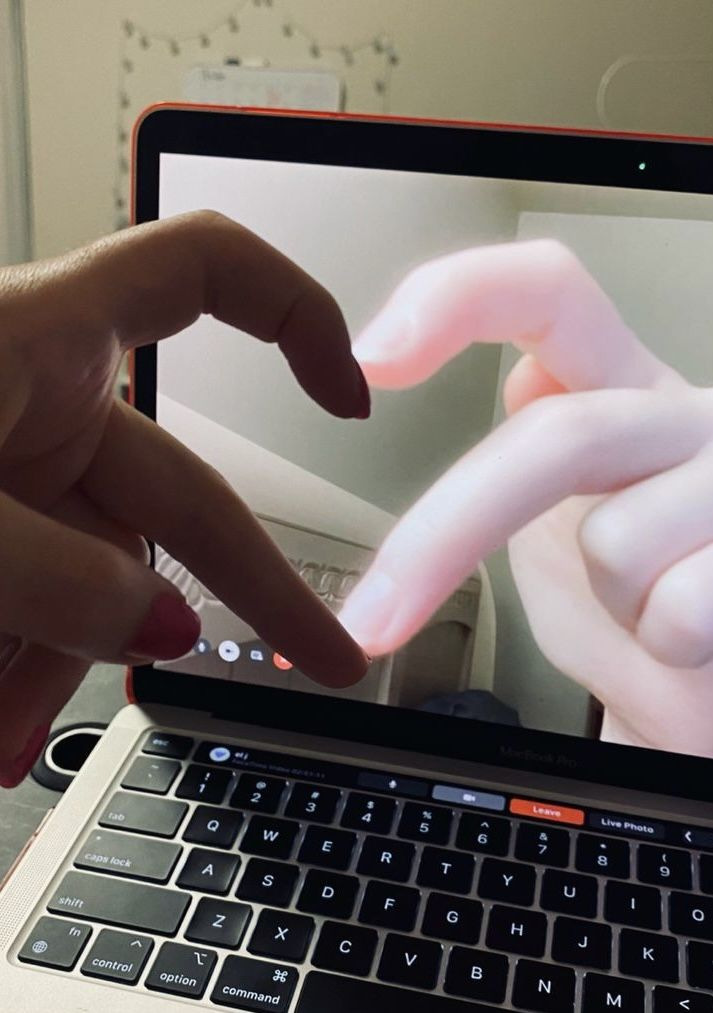
The digital age has transformed how we communicate, blending written messages with face-to-face video interactions in ways that fundamentally reshape human connection and authenticity.
🎭 The Digital Duality: Living Between Two Worlds
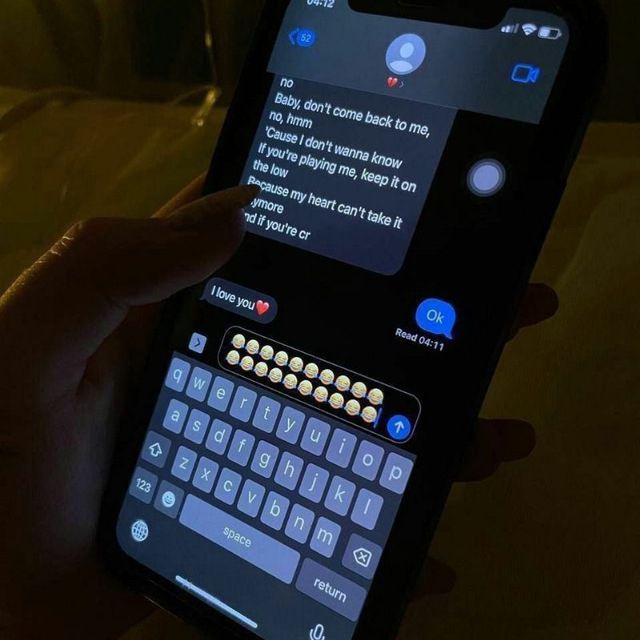
We’ve all experienced it—that moment when you craft the perfect text message, carefully editing every word, selecting just the right emoji, and hitting send with confidence.
But then comes the video call invitation, and suddenly, the carefully constructed digital persona faces its ultimate test: real-time, unfiltered human interaction.
This fascinating dichotomy between text-based communication and live video conversations represents one of the most intriguing aspects of modern digital life.
While text messages allow us time to think, edit, and present our most polished selves, video calls demand spontaneity, authenticity, and the raw truth of human expression.
The gap between these two communication modes has never been more pronounced, yet understanding how to navigate both effectively has become an essential skill in our interconnected world.
Whether you’re preparing for a professional meeting, catching up with distant friends, or navigating the complexities of online dating, mastering the transition from text to screen can dramatically impact your relationships and opportunities.
📱 Why Text Communication Creates a Comfortable Illusion
Text-based messaging platforms have given us unprecedented control over our communication.
You can pause mid-conversation to research a fact, consult with friends before responding, or simply take a breath and compose your thoughts without the pressure of immediate response.
This asynchronous nature of text communication creates what psychologists call “edited self-presentation”—the ability to curate how others perceive you through careful word selection, strategic timing, and deliberate omission of less favorable aspects of reality.
Consider these advantages that make texting so appealing:
- Time to craft perfect responses without awkward pauses
- Ability to hide physical insecurities or environmental chaos
- Control over when and how quickly you respond
- Opportunity to fact-check information before sharing
- Protection from showing immediate emotional reactions
- Freedom to multitask while maintaining conversations
This comfort zone, however, comes with significant drawbacks. The very features that make texting feel safe can also create distance, misunderstanding, and a false sense of connection that doesn’t translate well when faces finally meet on screen.
🎥 The Video Call Reality Check
When that video call notification appears, many people experience a moment of panic. Suddenly, all the carefully constructed text-based personas face the harsh light of visual scrutiny. Your actual environment, appearance, body language, and real-time reactions become immediately visible.
Video calls strip away many of the protective layers that text communication provides. There’s no hiding behind perfect grammar or witty comebacks when you’re caught off guard by an unexpected question. Your genuine reactions, hesitations, and authentic personality shine through—for better or worse.
This transparency can feel terrifying, but it’s also liberating. Video communication restores dimensions of human interaction that text-based messaging simply cannot replicate: tone of voice, facial expressions, shared laughter, comfortable silences, and the subtle nonverbal cues that comprise over 70% of human communication.
💡 The Truth Gap: Managing Expectations vs Reality
One of the most challenging aspects of transitioning from text to video involves managing the expectations created through written communication. Perhaps you’ve presented yourself as eternally confident in messages, only to reveal nervousness on camera. Maybe your witty texts don’t translate to spontaneous humor in real-time conversation.
This “expectation gap” creates anxiety for many people, particularly in contexts like online dating, remote work interviews, or building new friendships through digital platforms. The person you’ve portrayed through text might differ significantly from who you are on camera, creating potential disappointment or confusion.
However, this gap also presents an opportunity for authentic connection. When you embrace vulnerability and allow your genuine self to show during video calls, you create space for deeper, more meaningful relationships. People generally respond positively to authenticity, even when it differs from their initial expectations.
🚀 Strategies for Bridging the Communication Gap
Successfully navigating between text and video communication requires intentional strategy and practice. Here are proven approaches to ensure consistency and confidence across both mediums:
Maintain Authentic Consistency
The most effective strategy is simple: be yourself in both text and video interactions. While it’s tempting to craft an idealized version of yourself in messages, this approach inevitably creates awkwardness when transitioning to video calls. Instead, allow your genuine personality to shine through in all communication formats.
This doesn’t mean you can’t be thoughtful in your text messages—it simply means avoiding creating a persona that you can’t maintain in real-time interaction. If you’re naturally introverted, don’t pretend to be an extreme extrovert in texts. If you have a dry sense of humor, let that come through consistently.
Prepare Your Environment
One practical advantage of scheduled video calls is preparation time. Use it wisely:
- Test your camera angle and lighting beforehand
- Ensure your background is clean and professional
- Check audio quality to prevent technical disruptions
- Have relevant notes or materials easily accessible
- Eliminate potential distractions in your space
This preparation doesn’t mean creating a false environment—it simply means presenting your space in its best light, much like you might tidy up before guests arrive at your home.
Practice Active Video Presence
Video communication requires different skills than text messaging. Strong video presence involves maintaining eye contact with the camera, using appropriate facial expressions, and demonstrating engagement through body language. These skills improve with practice, so don’t avoid video calls—embrace them as opportunities to develop competence and confidence.
🌟 The Surprising Benefits of Video Authenticity
While the vulnerability of video calls can feel intimidating, they offer unique advantages that text communication simply cannot match. Understanding these benefits can help reframe video calls as opportunities rather than obstacles.
Video communication accelerates relationship building in remarkable ways. What might take weeks of text exchanges to establish can happen in a single video conversation. The richness of visual and vocal information allows people to quickly assess compatibility, trustworthiness, and genuine interest in ways that text alone never could.
Additionally, video calls reduce misunderstandings that frequently plague text conversations. Without vocal tone and facial expressions, text messages are easily misinterpreted. A sarcastic comment might be read as serious criticism, or a simple statement might seem cold or dismissive. Video communication eliminates much of this ambiguity.
📊 Comparing Communication Effectiveness
| Communication Aspect | Text Messaging | Video Calling |
|---|---|---|
| Response Time Flexibility | High – respond when convenient | Low – requires real-time engagement |
| Emotional Clarity | Low – easily misinterpreted | High – clear emotional context |
| Relationship Depth | Moderate – builds slowly | High – accelerates connection |
| Multitasking Ability | High – can manage multiple activities | Low – demands focused attention |
| Authenticity Level | Variable – easy to curate | High – difficult to hide reality |
| Communication Richness | Low – words only | High – visual, vocal, verbal combined |
🎯 Preparing for Your Next Video Call Success
As you approach your next video call, whether it’s professional or personal, consider implementing these practical strategies to ensure a positive experience that builds on rather than contradicts your text-based interactions.
Technical Preparation
Nothing undermines confidence like technical difficulties. Before important video calls, verify that your equipment works properly, your internet connection is stable, and you know how to use all relevant features of your video platform. Familiarize yourself with muting, screen sharing, virtual backgrounds, and other tools that might be useful.
Download and test your video calling applications in advance. Whether you’re using Zoom, Google Meet, Microsoft Teams, Skype, WhatsApp, or platform-specific apps, ensure everything functions smoothly before the actual call begins.
Mental and Emotional Preparation
Beyond technical readiness, mental preparation significantly impacts video call success. Take a few minutes before the call to center yourself, review conversation topics if appropriate, and set positive intentions for the interaction.
Remember that everyone experiences some nervousness during video calls—it’s a completely normal response to real-time visual scrutiny. Rather than fighting this nervousness, acknowledge it and channel that energy into engaged, enthusiastic participation.
💬 Building Bridges Between Digital Communication Styles
The most successful digital communicators don’t see text and video as competing formats but rather as complementary tools, each serving specific purposes within a broader communication strategy.
Text messaging excels at quick information exchange, sharing links and resources, maintaining connection during busy periods, and allowing time for thoughtful response to complex questions. Video calls shine when building rapport, resolving misunderstandings, collaborating on creative projects, and maintaining emotional connection across distances.
By strategically using both formats according to their strengths, you can create richer, more satisfying relationships and more effective professional collaboration. The key is recognizing when each format best serves your communication goals.
🔮 The Future of Hybrid Communication
As technology continues evolving, the boundary between text and video communication grows increasingly fluid. Features like video messages, augmented reality filters, screen sharing during text conversations, and AI-powered communication tools are creating new hybrid formats that combine advantages of both approaches.
Emerging technologies promise even more interesting possibilities: holographic communication, real-time language translation during video calls, emotion recognition software, and enhanced virtual environments that make remote communication feel increasingly natural and immediate.
Staying adaptable and open to these evolving communication formats will become increasingly important. Those who can fluently navigate multiple communication modes while maintaining authentic presence will have significant advantages in both personal and professional contexts.
🌈 Embracing Authentic Connection Across All Platforms
Ultimately, success in navigating between text and video communication comes down to a simple principle: authentic connection matters more than perfect presentation. People are drawn to genuine human interaction, complete with imperfections, spontaneity, and real emotion.
Rather than viewing video calls as threatening exposures of reality versus carefully crafted text personas, embrace them as opportunities to build deeper, more meaningful connections. The vulnerability required for authentic video communication creates space for true intimacy and understanding that surface-level text exchanges can never achieve.
Your next video call doesn’t need to be perfect—it simply needs to be genuine. Allow your personality to shine through, embrace the awkward moments with humor, and trust that authentic human connection transcends any gap between text and screen.

✨ Transforming Digital Communication Anxiety Into Opportunity
If the prospect of video calls still generates anxiety, remember that this discomfort signals growth opportunity. Each video interaction strengthens your confidence, improves your communication skills, and deepens your capacity for authentic connection in an increasingly digital world.
Start small if needed. Schedule informal video chats with trusted friends or family members to build comfort before high-stakes professional calls. Practice your video presence, experiment with different approaches, and gradually expand your comfort zone.
The digital communication landscape will continue evolving, but the fundamental human need for authentic connection remains constant. By developing fluency across multiple communication formats while maintaining genuine presence, you position yourself for success in building meaningful relationships and achieving your goals, both personal and professional.
As you prepare for your next video call, remember that the person on the other side of the screen likely shares similar concerns about authenticity and presentation. Lead with openness, embrace vulnerability, and trust that genuine human connection will bridge any gap between the carefully crafted text messages and the spontaneous reality of face-to-face digital interaction. The truth revealed through video isn’t something to fear—it’s the foundation for every meaningful relationship worth building.
